

Target-Date Funds: Lazy Win or Fee Trap?
Index target-date funds cost 0.08% to 0.12%. Their lookalike active cousins cost 0.68%. See the dollar math, the taxable-account trap, and when DIY beats a TDF.
All the articles with the tag "portfolio".
Index target-date funds cost 0.08% to 0.12%. Their lookalike active cousins cost 0.68%. See the dollar math, the taxable-account trap, and when DIY beats a TDF.
Empower's free dashboard is good for net worth and fee checks. On $500K, its 0.89% fee plus fund costs trails a three-fund portfolio by $305K over 20 years.
Direct indexing costs 3 to 13 times more than an index ETF and only pays off through tax-loss harvesting. Here's the break-even math for tech-worker incomes.
Exchange funds defer tax on a concentrated stock position for 7 years but cost 1%+ a year and require $500k+ minimums. Here's when they actually beat selling.

Rebalancing is risk control, not a return booster. How drift actually happens, the calendar-plus-band approach, and how to do it without a big tax bill.

Lump sum beats DCA two-thirds of the time. But DCA beats doing nothing. Here's the math, the Vanguard data, and when each one actually makes sense.

A 28-year-old accumulator probably needs 0% bonds. That changes as you approach your FIRE number. Here's exactly when and how to make the shift.

VXUS vs. VTI-only: the oldest Boglehead argument. Here's what the data says, where Bogle and Vanguard disagreed, and a concrete allocation range to pick from.
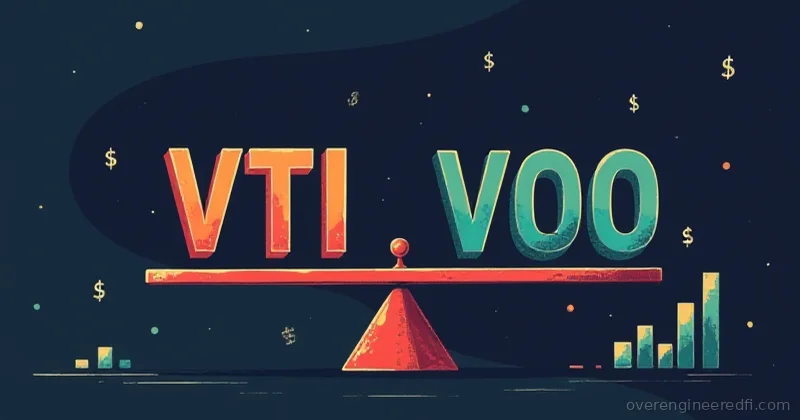
VTI vs VOO, FSKAX vs FXAIX, the total market vs S&P 500 debate explained with actual numbers and 30-year projections. Spoiler: you're overthinking this.
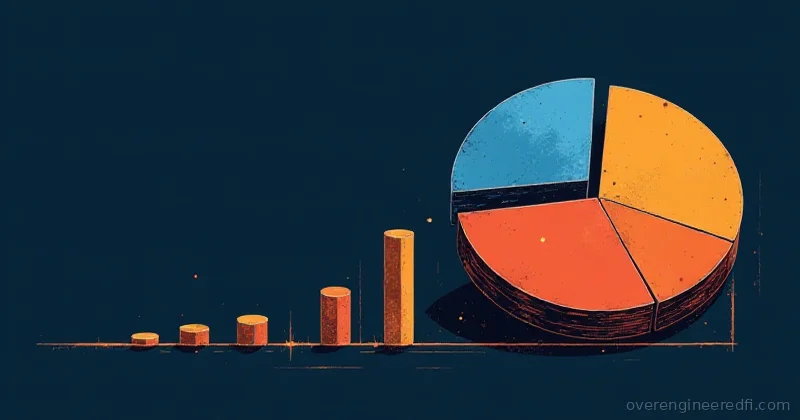
The 110-minus-age rule is a solid starting point, most people ignore it. What it means, why young investors should skip bonds, and allocation by decade.
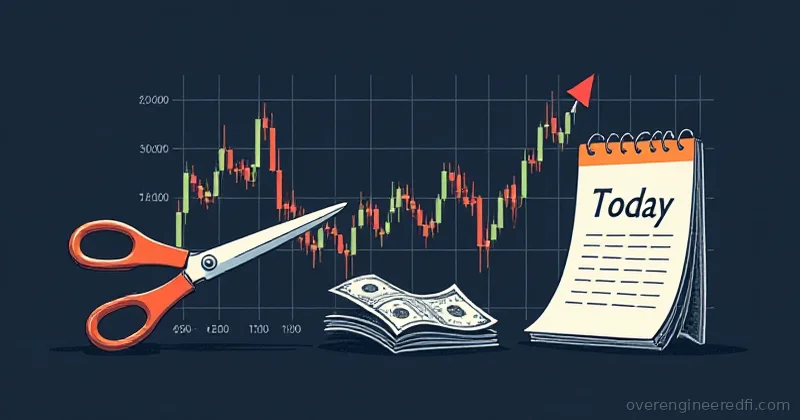
Tax-loss harvesting offsets capital gains and cuts your tax bill, if you follow the wash-sale rules. Here's the VTI→ITOT swap and the honest math on deferral.
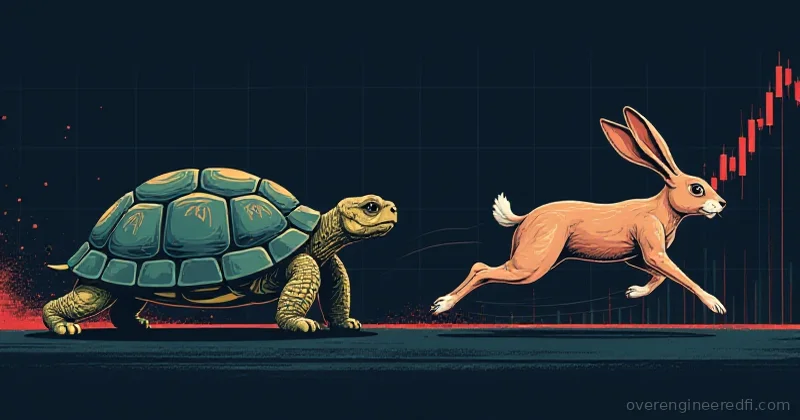
Most active funds underperform their benchmark over 15 years. The math on expense ratio drag alone should end the debate. Here's why index funds win every time.